
Leading your organisation through AI with confidence and control
Board and executive team
Setting AI ambition, risk appetite and accountability, and deciding what to fund.
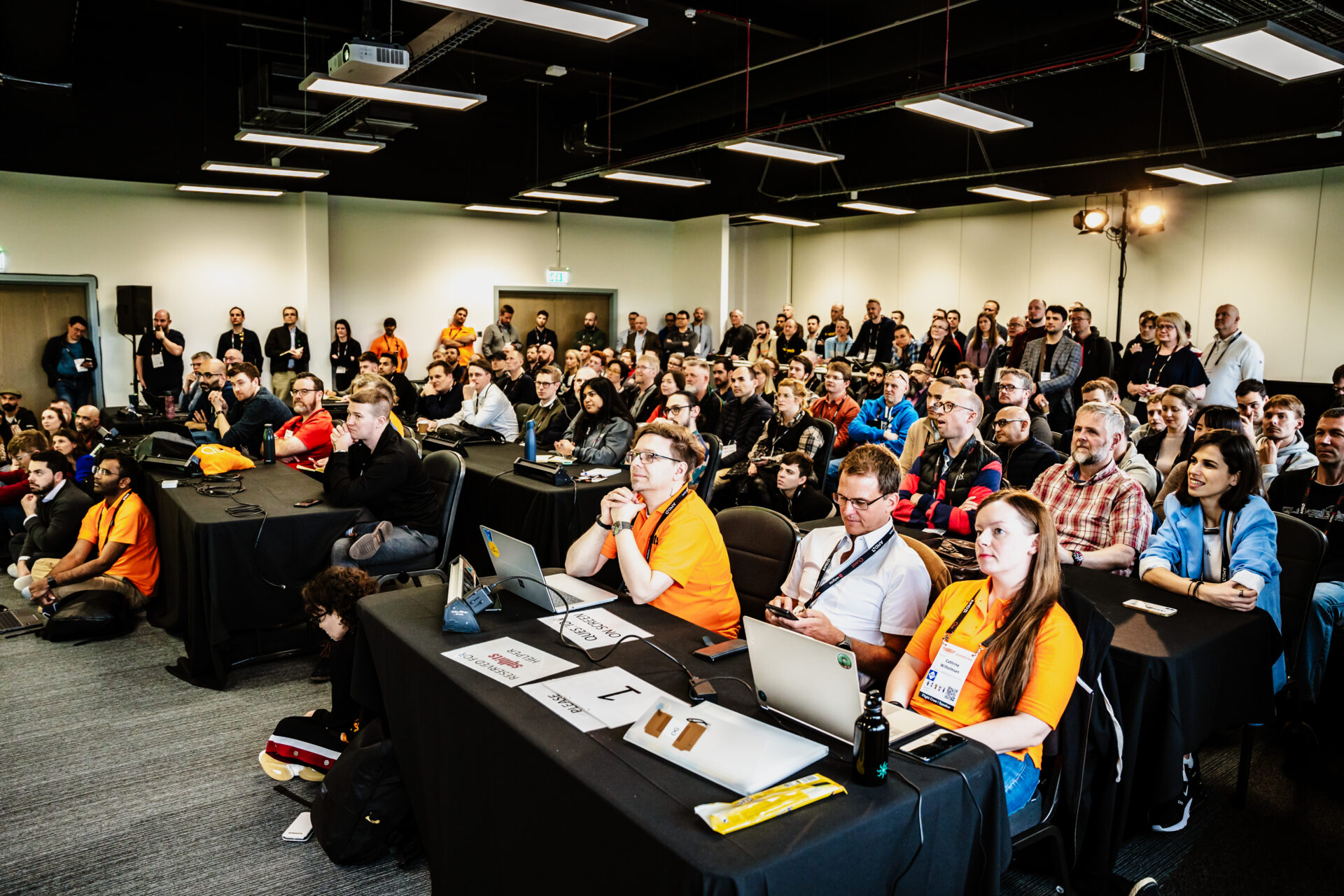

Boards want a strategy, staff are already using the tools, and vendors promise transformation. The leaders getting real value are deliberate about where AI fits, where it does not, and how it will be governed. SQLBits is where they share what that looks like in practice.

Not every problem needs AI, and not every organisation is ready for it. This track helps leaders assess readiness honestly, back the right use cases and build a business case that stands up. It also covers knowing when to stop, as well as when to scale.

Governance, risk management, regulation and skills turn AI from an experiment into something the business can trust. Sessions cover the policies, people and practices that let organisations move quickly without losing control.
Microsoft and LinkedIn’s 2024 Work Trend Index surveyed 31,000 knowledge workers in 31 countries. It found 75% were using generative AI at work, and 78% of those users were bringing their own AI tools, often without guidance from leadership.
In the same study, 79% of leaders agreed AI adoption is critical to stay competitive, but 60% said their organisation lacked a vision and plan to implement it. Two-thirds of leaders would not hire someone without AI skills, yet only 39% of AI users had received AI training from their employer.
MIT’s Project NANDA report found that about 95% of enterprise generative AI pilots delivered no measurable impact. Only 5% of custom enterprise AI tools reached production. Buying from specialist vendors and partnering succeeded about two-thirds of the time, around three times as often as internal builds.
AI high performers are nearly three times as likely as other organisations to fundamentally redesign their workflows. Their senior leaders are also more likely to champion and own AI. CEO oversight of AI governance was one of the factors most strongly linked to bottom-line impact from generative AI.
Gartner predicts that over 40% of agentic AI projects will be cancelled by the end of 2027, due to escalating costs, unclear business value or inadequate risk controls. Its advice is to pursue agentic AI only where it delivers clear value or ROI.
The EU AI Act is already in force, with rules on banned practices and AI literacy applying now, and stricter requirements for high-risk uses such as hiring, credit scoring and education following over the next year or so. UK organisations that serve EU customers, or whose AI affects people in the EU, may need to comply. The leaders who prepare early can adopt AI with confidence instead of scrambling to catch up.
Setting AI ambition, risk appetite and accountability, and deciding what to fund.
Turning strategy into platforms, guardrails and a delivery roadmap the business can follow.
Mapping obligations under the EU AI Act, data protection law and sector rules, and assessing AI risk before it reaches customers.
Building realistic business cases, tracking AI and token spend, and proving return on investment.
Building AI literacy, reskilling teams, redefining roles and bringing employees with you.
Tackling shadow AI and data leakage, and giving people safe access to approved tools.
Redesigning workflows around AI rather than bolting it on to existing processes.