 22-25 April 2026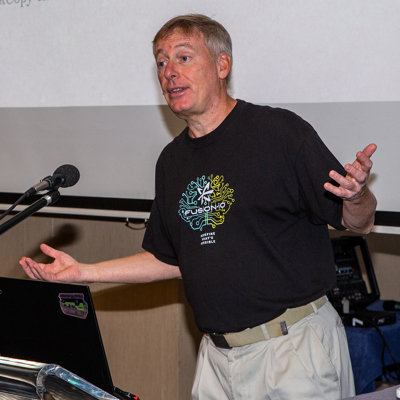
Erland Sommarskog
Erland Sommarskog is an independent consultant based in Stockholm. He has worked with SQL Server since 1991. He was first awarded SQL Server MVP in 2001, and he has been re-awarded every year since. His focus is on systems development with the SQL Server Database Engine and his passion is to help people to write better SQL Server applications.
Erland Sommarskog's Sessions
Analysing and Resolving Deadlocks.SQLBits 2024
Learn how get information about the deadlock XML, how to read it, what actions you can take to prevent deadlocks or at least mitigate the consequences of them. The session also includes a recap on locking in SQL Server.
Ask the Expert - Group A (Thu 14:10 to 15:00)SQLBits 2024
Come and see to some of our amazing speakers on one of these topics:
1. SQL and Databases:
2. Microsoft Fabric and Related Technologies:
3. Power BI and Data Visualization:
4. Azure and Cloud Technologies:
Don’t Let Your Permissions Be Hijacked!SQLBits 2023
Learn how malicious users can lure a power user such as sysadmin to run code that performs action to the benefit of the evil user by something I call permission hijacking and what means you can take to prevent this from happening.
Don't Bite Off More than You Can Chew - Take it in ChunksSQLBits 2022
How you can improve performance by splitting up large operations in chunks
Packaging Permissions in Stored ProceduresSQLBits 2019
Learn in this session how you can package any database- or server-level permission in a stored procedure with help of certificate signing or EXECUTE AS and why one method is to prefer over the other.
Dynamic Search ConditionsSQLBits 2016
This session looks at the two main techniques to efficiently implement searches where users can select between a large set of search conditions
Analysing and Resolving Deadlocks.SQLBits 2024
Learn how get information about the deadlock XML, how to read it, what actions you can take to prevent deadlocks or at least mitigate the consequences of them. The session also includes a recap on locking in SQL Server.
Don’t Let Your Permissions Be Hijacked!SQLBits 2023
Learn how malicious users can lure a power user such as sysadmin to run code that performs action to the benefit of the evil user by something I call permission hijacking and what means you can take to prevent this from happening.
Collations and PerformanceSQLBits 2022
When collation affects performance a lot - and when hardtly at all
Don't Bite Off More than You Can Chew - Take it in ChunksSQLBits 2022
How you can improve performance by splitting up large operations in chunks
How sp_sqltrace Can Help with Your Performance TroubleshootingSQLBits 2022
Use sp_sqltrace to find out where the bottlenecks in your loops or to find that single plan among many.
Looping AbreastSQLBits 2022
How to combine loops and set-based statements for difficult problems.
Some Things You May Want to Know About CollationsSQLBits 2022
Learn fun facts about collations and languages
SQL Titbits for the InexperiencedSQLBits 2022
Learn some small but useful things about SQL
Packaging Permissions in Stored ProceduresSQLBits 2019
Learn in this session how you can package any database- or server-level permission in a stored procedure with help of certificate signing or EXECUTE AS and why one method is to prefer over the other.
Dynamic Search ConditionsSQLBits 2016
This session looks at the two main techniques to efficiently implement searches where users can select between a large set of search conditions