
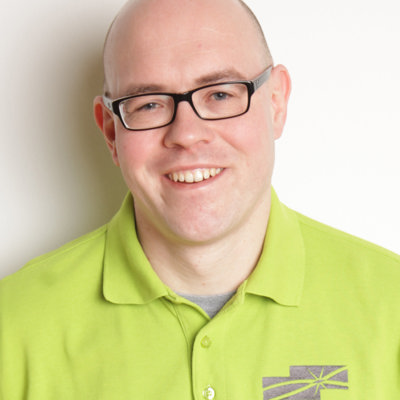
Frank Geisler
Proposed Sessions for 2026
As organizations move toward hyper-responsive operations, real-time detection of anomalies in time series data becomes critical. This session explores how Microsoft Fabric Real-Time Intelligence (RTI), powered by Kusto Query Language (KQL), enables scalable streaming analytics and built-in anomaly detection. You’ll learn how to model and analyze streaming time series data with advanced KQL, apply native anomaly detection functions to identify spikes, trends, outliers, and data gaps, and combine stateful pattern detection with event-driven actions using Activator. Real-world scenarios such as IoT telemetry monitoring, infrastructure health, and SLA tracking illustrate how anomaly detection can be embedded directly into streaming pipelines with low latency.
Tired of clicking through the Fabric UI to deploy workspaces or manage capacities and eventstreams? This session shows how to automate Microsoft Fabric with PowerShell using the FabricTools module. You’ll learn how to script common administrative tasks, manage workspaces and artifacts, trigger pipelines, and work with the Fabric REST APIs through practical, real-world examples. Whether you’re enforcing standards at scale or simply want to stop doing things manually, this session equips you to automate Fabric efficiently and with confidence.
Centralized pipelines create delays, fragile ETLs, and data silos. In this session, see how Data Mesh principles, domain ownership, data as a product, and federated governance combine with Microsoft Fabric RTI. Learn how to design a real-time mesh that delivers instant, trusted insights.
Fabric IQ brings intelligence directly into Microsoft Fabric, helping organizations move beyond static insights toward context-aware, actionable decisions. In this session, you’ll get a clear, practical introduction to Fabric IQ—what it is, how it fits into the Fabric ecosystem, and how it works with real-time and historical data. Through simple scenarios and demos, you’ll see how Fabric IQ helps surface relevant insights automatically and supports faster, more confident decision-making without adding architectural complexity.
Long hours at a desk and remote work make inactivity a common risk in IT roles. This session focuses on practical, sustainable ways to improve health without extreme diets or fitness plans. You’ll learn how to integrate more movement into your workday, make smarter nutrition choices to support stable blood sugar, and recognize early warning signs from your body. The goal is simple: small, realistic habits that help you stay healthy, energized, and productive over the long term.
Fasten your seatbelts—this is a fast-paced, live-demo session on building a Real-Time Intelligence solution in Microsoft Fabric. Wondering how to generate real-time data for a POC? Join me and 14-year-old Olivia in her speaker debut as we turn Forza Horizon on Xbox into a live data source. In one hour, we’ll stream telemetry data from the racetrack, transform it into real-time insights with dashboards, and trigger actions using Data Activator. No prerecorded content—just live data, real-time analytics, and hands-on fun. You’ll leave with practical ideas you can apply in your own environment, even if using an Xbox isn’t an option. Get ready to race into real-time analytics.
As cloud adoption grows, efficient infrastructure management becomes critical. This session compares Bicep and Terraform, two leading Infrastructure as Code tools, with a focus on data infrastructure scenarios. We examine key differences in language and licensing, state and backend management, handling of configuration drift, and security considerations. The session also covers infrastructure scope (Azure-only vs. multi-cloud), CLI tooling, and practical deployment examples. Finally, we explore CI/CD and team collaboration, including testing and GitHub-based workflows. The session concludes with clear decision criteria and best practices to help you choose the right tool based on cloud strategy, project scope, and team expertise.
In today’s fast-paced environment, businesses need real-time insights combined with intelligent automation to stay competitive. This session explores how AI agents and Microsoft Real-Time Intelligence work together to turn streaming data into immediate, autonomous action. You’ll see how technologies such as Azure Event Hubs, Stream Analytics, and Fabric Real-Time Intelligence enable real-time data processing, anomaly detection, and predictive analytics. Through hands-on demos and real-world scenarios, we show how AI-driven agents can learn, adapt, and act in real time to automate responses and optimize operations. Whether you’re a data engineer, AI developer, or business leader, this session demonstrates how to bridge real-time data and AI-powered automation to move from insights to action.
What if your real-time data could answer questions in plain language? With the RAG Server for Microsoft Fabric, that’s now possible. In this practical session, Frank Geisler and Hanna Schwab show how to add natural language querying to Real-Time Intelligence workloads using Microsoft’s open-source RAG Server. Instead of writing KQL, users interact with streaming data through simple, conversational prompts. The session covers how RAG Server fits into Fabric, a step-by-step setup with Eventstreams, and live demos of querying real-time data. The focus is on architecture, implementation, and patterns you can reuse in real projects. A hands-on starting point for anyone exploring LLMs in Microsoft Fabric analytics.
This is not your typical DP-700 prep session. Instead of dry lecture slides, we're transforming the essential knowledge tested on the exam into compelling mysteries and hands-on narratives.